
Uncategorized

Uncategorized

Why Your Business Needs a Social Media Marketing Agency

Why Your Business Needs a Social Media Marketing Agency Why Your Business Needs a Social Media Marketing Agency in 2025 In today’s fast-paced digital world, social media is no longer just an option for businesses—it’s a necessity. With billions of users actively engaging on platforms like Facebook, Instagram, LinkedIn, and TikTok, social media has become the key to brand awareness, customer engagement, and business growth. However, managing social media effectively requires expertise, time, and strategy. This is where a Social Media Marketing Agency becomes essential. 1. The Ever-Changing Social Media Landscape Social media algorithms, trends, and best practices are constantly evolving. What worked last year might not be effective today. A professional Social Media Marketing Agency stays updated with the latest trends, platform updates, and strategies to ensure your brand remains relevant and competitive. 2. Expert Strategy & Data-Driven Approach A successful social media strategy isn’t just about posting content—it’s about understanding your audience, analyzing performance metrics, and optimizing campaigns for better engagement and conversions. Agencies use data-driven insights to create targeted content, run ad campaigns, and improve ROI. 3. Cost-Effective & Time-Saving Solution Hiring an in-house team for social media marketing can be expensive. You need designers, content creators, ad specialists, and strategists. A social media agency provides a full team of experts at a fraction of the cost, allowing you to focus on other aspects of your business while professionals handle your online presence. 4. High-Quality Content & Brand Consistency Social media success depends on engaging and high-quality content. Agencies specialize in creating visually appealing graphics, compelling captions, and viral-worthy videos that align with your brand voice. Consistent branding across all platforms helps establish trust and credibility with your audience. 5. Advanced Advertising & Lead Generation Organic reach on social media is declining, making paid advertising essential for business growth. A Social Media Marketing Agency optimizes ad campaigns, ensures better audience targeting, and maximizes your ad spend to generate high-quality leads an conversions. 6. Crisis Management & Reputation Building Negative reviews, customer complaints, and online crises can harm your brand. Agencies monitor conversations, handle customer interactions professionally, and ensure your brand maintains a positive reputation across all social media platforms. 7. Performance Tracking & Continuous Improvement Measuring social media performance is crucial for growth. Agencies provide detailed analytics reports, track key metrics, and adjust strategies to improve engagement, lead generation, and sales. This ensures your marketing efforts deliver measurable results. Grow Your Business with Markedia! If you want to elevate your brand’s social media presence, drive more leads, and increase conversions, Markedia is here to help! Our team of experts will craft a customized social media strategy tailored to your business goals. Let’s take your business to the next level—Contact Markedia today!

Uncategorized

The Power of Influencer Marketing

The Power of Influencer Marketing The Power of Influencer Marketing: How to Collaborate Effectively In today’s digital world, influencer marketing has become one of the most powerful tools for brands to reach and engage their target audience. With social media influencers commanding strong followings and high engagement rates, businesses can leverage their credibility to build brand awareness, drive sales, and establish trust. But how can brands effectively collaborate with influencers to maximize results? Let’s explore. Why Influencer Marketing Works Artificial Intelligence (AI) is revolutionizing social media marketing, making it easier for brands to create highly personalized content and automate interactions. AI-powered chatbots, content generation tools, and predictive analytics help brands tailor their messaging to individual users, increasing engagement and conversions. Increased Brand Awareness: Influencers help introduce your brand to a larger, more engaged audience. Higher Engagement Rates: People are more likely to interact with content from someone they trust. Targeted Marketing: You can collaborate with influencers who align with your niche and audience. Improved Credibility: Recommendations from influencers often feel more organic than direct brand promotions. How to Collaborate Effectively with Influencers 1. Define Your Goals & Target Audience Before reaching out to influencers, establish clear objectives for your campaign. Are you aiming for brand awareness, lead generation, sales, or engagement? Also, define your target audience to ensure the influencer’s followers match your ideal customers. 2. Choose the Right Influencers Not all influencers will be a good fit for your brand. Consider: Relevance: Does the influencer’s content align with your brand values and industry? Engagement Rate: A smaller, highly engaged audience is often more valuable than a large but inactive one. Authenticity: Look for influencers who genuinely connect with their audience and don’t promote products excessively. Platform Suitability: Choose influencers based on where your target audience is most active (Instagram, TikTok, YouTube, LinkedIn, etc.). 3. Build Genuine Relationships Rather than treating influencers as one-time promoters, develop a long-term relationship with them. Engage with their content, send personalized outreach messages, and offer collaborations that feel natural instead of scripted endorsements. 4. Give Creative Freedom Influencers know their audience best. Instead of dictating strict guidelines, allow them creative freedom to integrate your product or service naturally into their content. Authenticity drives better engagement and trust. Influencers know their audience best. Instead of dictating strict guidelines, allow them creative freedom to integrate your product or service naturally into their content. Authenticity drives better engagement and trust. 5. Offer Fair Compensation Compensate influencers fairly based on their reach, engagement, and expertise. Some common compensation models include: Monetary Payments: Paying per post, video, or campaign. Free Products or Services: Gifting products in exchange for a review. Affiliate Marketing: Offering commission-based earnings on referred sales. 6. Track Performance & Optimize Monitor the success of your influencer campaigns using metrics like: Engagement rate (likes, comments, shares) Click-through rate (CTR) on links Conversion rates (sales, sign-ups) Brand mentions and hashtag performance Analyzing these insights helps you refine your strategy and improve future collaborations. Final Thoughts Influencer marketing is a powerful strategy that can amplify your brand’s reach and credibility—if done correctly. By choosing the right influencers, fostering authentic relationships, and allowing creative freedom, businesses can build successful collaborations that resonate with audiences. Are you ready to leverage influencer marketing to grow your brand? Start building meaningful partnerships today and watch your business thrive!

Uncategorized

Top Social Media Trends in 2025

Top Social Media Trends in 2025 Top Social Media Trends in 2025: What Brands Need to Know The world of social media marketing is constantly evolving, and staying ahead of the latest trends is essential for brands looking to maximize engagement and ROI. In 2025, several key trends are shaping the way businesses connect with their audiences. Here’s what brands need to focus on to stay competitive. 1. AI-Driven Content Creation & Personalization Artificial Intelligence (AI) is revolutionizing social media marketing, making it easier for brands to create highly personalized content and automate interactions. AI-powered chatbots, content generation tools, and predictive analytics help brands tailor their messaging to individual users, increasing engagement and conversions. 2. The Rise of Short-Form Video Content Platforms like TikTok, Instagram Reels, and YouTube Shorts continue to dominate social media. Short-form videos are engaging, easy to consume, and highly shareable. Brands should focus on creating snackable, entertaining, and informative videos to capture audience attention. 3. Social Commerce Expansion Social media is no longer just for engagement—it’s becoming a powerful sales channel. Instagram Shops, TikTok Shopping, and Facebook Marketplace are making it easier for users to purchase products without leaving the platform. Brands should optimize their social storefronts and leverage influencer marketing to drive direct sales. 4. Authenticity & User-Generated Content (UGC) Consumers trust real experiences more than polished advertisements. Encouraging user-generated content, such as customer reviews, testimonials, and unboxing videos, can build brand credibility and increase engagement. In 2025, brands should focus on community-driven marketing to foster deeper connections. 5. The Growth of LinkedIn as a Content Platform LinkedIn is evolving beyond a networking site into a content powerhouse for B2B marketers. With more users engaging in thought leadership, brands should invest in long-form content, industry insights, and professional storytelling to build authority in their niche. 6. Augmented Reality (AR) & Immersive Experiences LinkedIn is evolving beyond a networking site into a content powerhouse for B2B marketers. With more users engaging in thought leadership, brands should invest in long-form content, industry insights, and professional storytelling to build authority in their niche. 7. The Importance of Social Listening & Community Building With increasing competition, brands must actively listen to their audience, track brand mentions, and engage in meaningful conversations. Social listening tools help identify trends, customer pain points, and areas for improvement, allowing brands to stay relevant. 8. Decentralized Social Media & Privacy-First Marketing With growing concerns over data privacy, platforms like Mastodon and Bluesky are introducing decentralized social networks that give users more control. Brands must adopt privacy-focused marketing strategies and build trust with transparent, ethical advertising practices. Final Thoughts 2025 is all about personalization, authenticity, and innovation in social media marketing. Brands that embrace AI-driven content, video marketing, social commerce, and user engagement strategies will thrive in the digital landscape. Stay ahead by experimenting with new trends and adapting to the changing preferences of your audience. Are you ready to implement these top social media trends in your marketing strategy? Let’s connect and build a winning plan for 2025!

Uncategorized

Initial Steps to Rank a Newly Launched Website

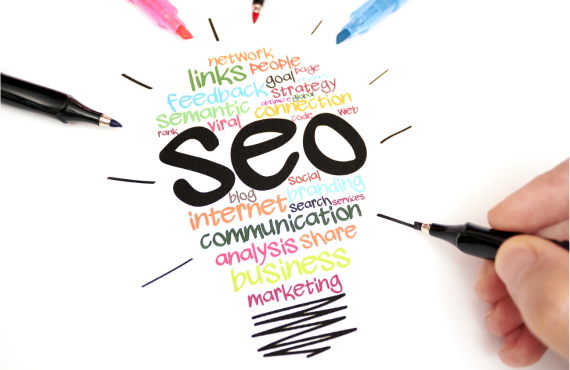
Initial Steps to Rank a Newly Launched Website Initial Steps to Rank a Newly Launched Website: A Beginner’s Guide to SEO Success Launching a new website is exciting, but getting it noticed is where the real challenge begins. Search engine optimization (SEO) plays a critical role in helping your website gain visibility, attract visitors, and climb the ranks in search engine results. Whether you’re a small business, a startup, or a blogger, here are the essential first steps you should take to get your new website on the path to ranking success. 1. Ensure Proper Site Indexing and Crawling Submit Your Site to Google Search Console: This free tool allows you to monitor your website’s presence in Google’s search results. Start by submitting your sitemap, which gives Google an overview of your website structure, making it easier to crawl. Create and Submit a Sitemap: A sitemap helps search engines understand the pages on your site. Make sure your sitemap is complete and uploaded to Google Search Console to expedite the crawling process. Check for Robots.txt: This file instructs search engines on which parts of your site to crawl. Make sure it’s properly configured, as incorrect settings can prevent indexing and damage visibility. 2. Optimize for On-Page SEO Keyword Research: Identify keywords that are relevant to your content and industry. Focus on a mix of short-tail and long-tail keywords for a broader reach. Optimize Titles and Meta Descriptions: Create compelling, keyword-rich titles and meta descriptions that attract clicks. Each page should have a unique title and description that accurately represents its content. Use Header Tags Properly: Create compelling, keyword-rich titles and meta descriptions that attract clicks. Each page should have a unique title and description that accurately represents its content. Optimize Image Alt Text: Add descriptive alt text to your images, including keywords where relevant, as search engines can’t “see” images but rely on alt text to understand them. 3. Build a Strong Internal Linking Structure Link Between Relevant Pages: Internal links help distribute authority throughout your site and guide users to important content. Strategically link relevant pages to keep visitors on your site longer and help search engines understand your site’s structure. Use Descriptive Anchor Text: Avoid generic text like “click here.” Instead, use descriptive anchor text with relevant keywords to provide context for both users and search engines. 4. Publish Quality Content Regularly Create Valuable, Original Content: Search engines prioritize unique, informative content that adds value for users. Plan a content calendar and publish regularly on topics that are relevant to your audience. Optimize for Readability: Use short paragraphs, bullet points, and visuals to improve readability. A well-organized layout makes it easier for readers to digest information, which can help reduce bounce rates. Include Keywords Naturally: Aim for a natural keyword placement. Avoid keyword stuffing, as this can harm your rankings. Focus on creating content that answers user questions and is written for humans, not just search engines. 5. Implement Technical SEO Best Practices Improve Site Speed: A slow website can drive visitors away and impact SEO. Optimize image sizes, use a caching plugin, and consider a content delivery network (CDN) to improve load times. Ensure Mobile-Friendliness: With most users browsing on mobile devices, a responsive design is essential. Test your site’s mobile experience using Google’s Mobile-Friendly Test tool to make sure it’s easy to navigate and visually appealing on smaller screens. Use HTTPS: Security is a ranking factor. Make sure your site is secure by installing an SSL certificate, ensuring that your site URL begins with HTTPS 6. Leverage Local SEO (if relevant) Create a Google My Business Listing: For businesses with a physical location, a Google My Business listing is essential. It improves your chances of appearing in local searches and Google Maps. Use Local Keywords: Include location-based keywords in your content to improve visibility in local search results. For example, if you’re a bakery in Brooklyn, you might use phrases like “Brooklyn bakery” or “bakery near Brooklyn.” Encourage Customer Reviews: Positive reviews on Google and other review platforms help boost your local SEO. Encourage satisfied customers to leave reviews to improve your credibility. 7. Monitor and Analyze Your Performance Set Up Google Analytics: Track visitor behavior, traffic sources, and other key metrics with Google Analytics. This data provides insights into what’s working and where adjustments are needed. Analyze with Google Search Console: Monitor how your site performs in search results. You can track which keywords are driving traffic, identify indexing issues, and get insights into user interactions. Adjust and Improve: SEO is an ongoing process. Use the data from Google Analytics and Search Console to refine your content, optimize keywords, and improve site performance. Conclusion Getting a new website to rank takes time, but by following these foundational SEO steps, you’re setting yourself up for long-term success. Remember, SEO is an ongoing process, and consistency is key. By optimizing for both search engines and users, you’ll steadily improve your visibility, attract traffic, and build authority in your industry. Keep refining, learning, and adapting to the latest SEO best practices, and you’ll see your website rise in search rankings over time.

Scroll to Top